


Ionisation Technology
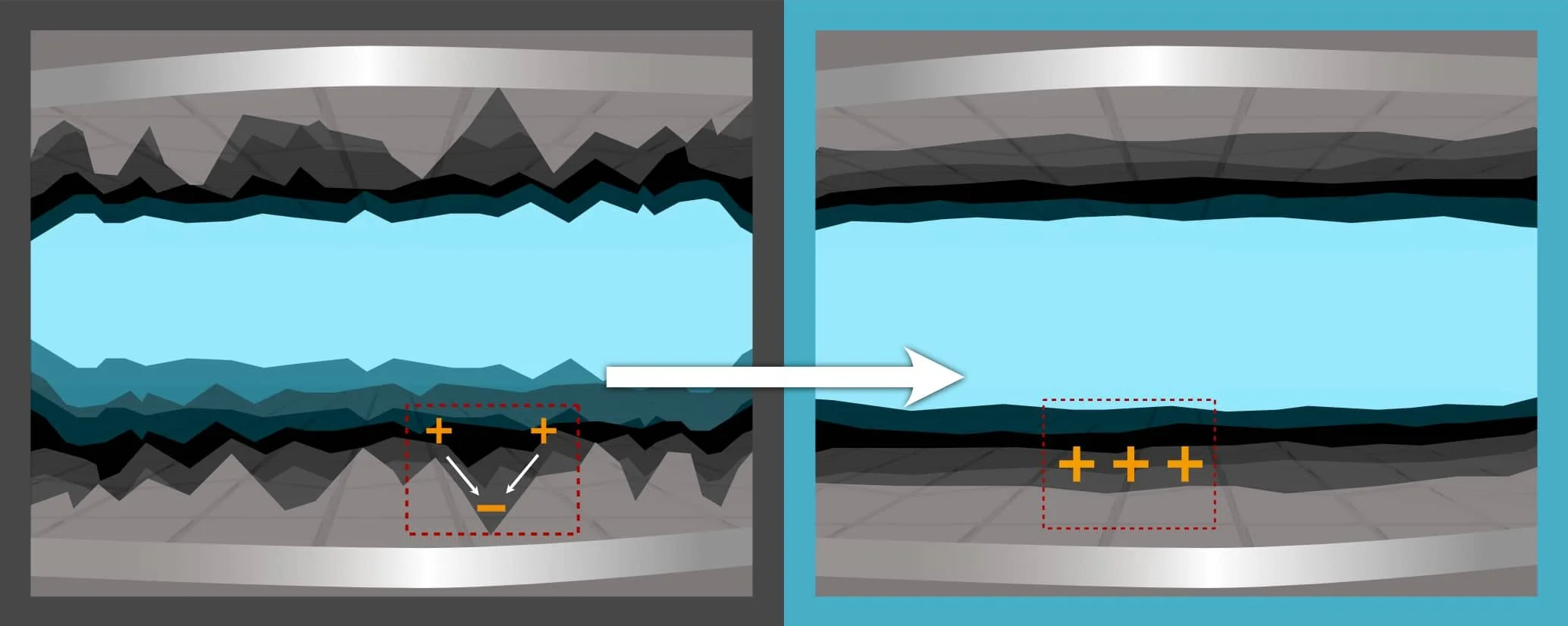
Revolutionary lubrication technology utilising surface ionisation and polarisation mechanisms to create ultra-thin protective coatings that fundamentally transform mechanical system performance
Advanced Oil Film Formula
TO +50°C OPERATIONAL RANGE
-40°C
0.1μm
ULTRA-THIN FILM THICKNESS
15x
COMPONENT LIFE EXTENSION
Technical Documentation
Traditional lubricants face fundamental limitations in extreme operating conditions. Surface irregularities create friction points, thermal cycling degrades protective films, and contamination compromises lubrication effectiveness. These challenges demand innovative molecular-level solutions.
The Lubrication Challenge

Micro-Surface Irregularities
Metal surfaces contain microscopic peaks and valleys that increase friction and wear

Thermal Degradation
High temperatures break down conventional lubricant molecular structures

Corrosion Formation
Oxidation and chemical contamination create corrosive compounds that damage surfaces
Advanced Oil Film Formula Technology
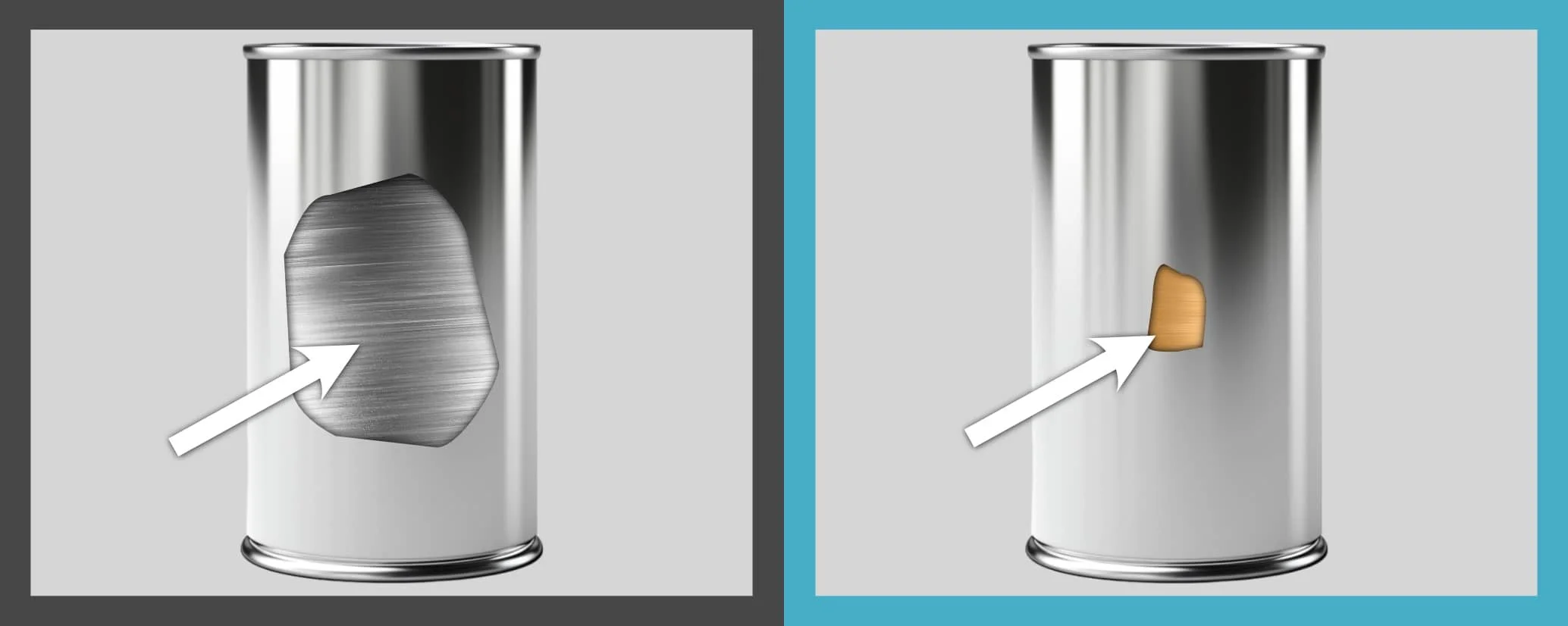
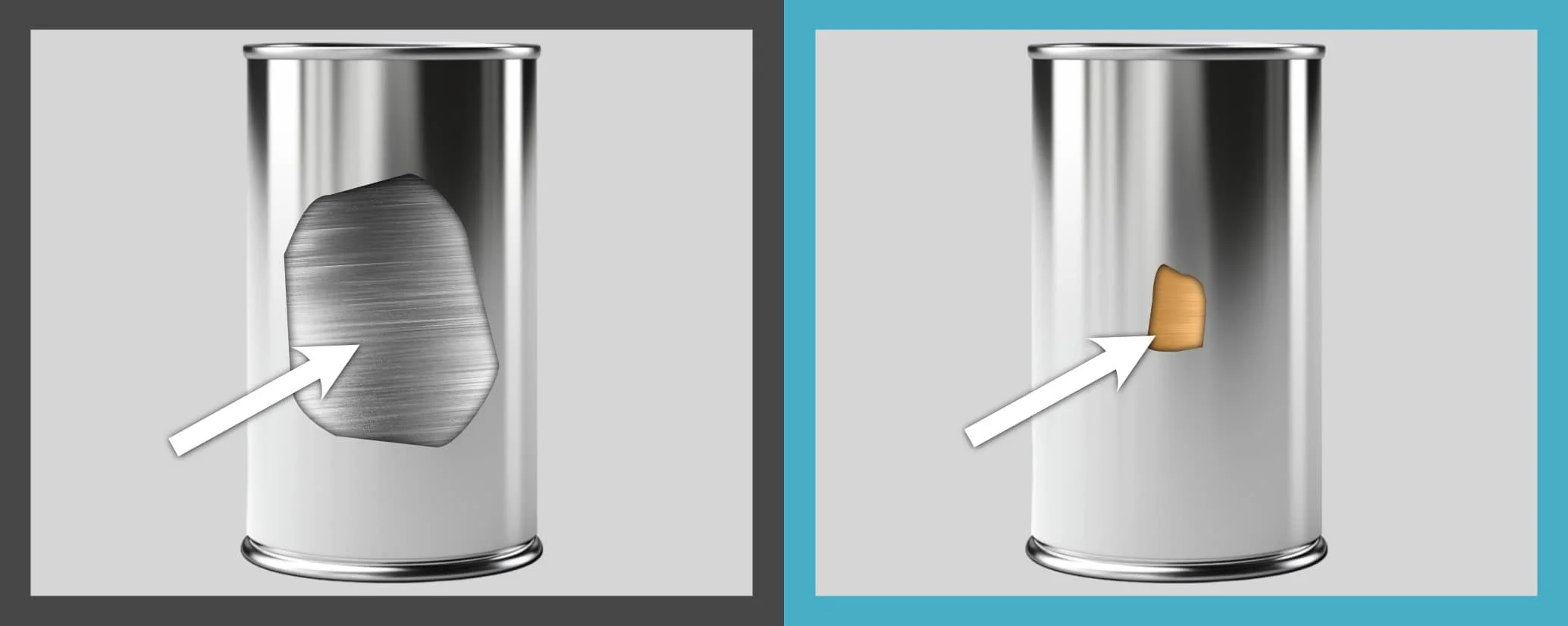
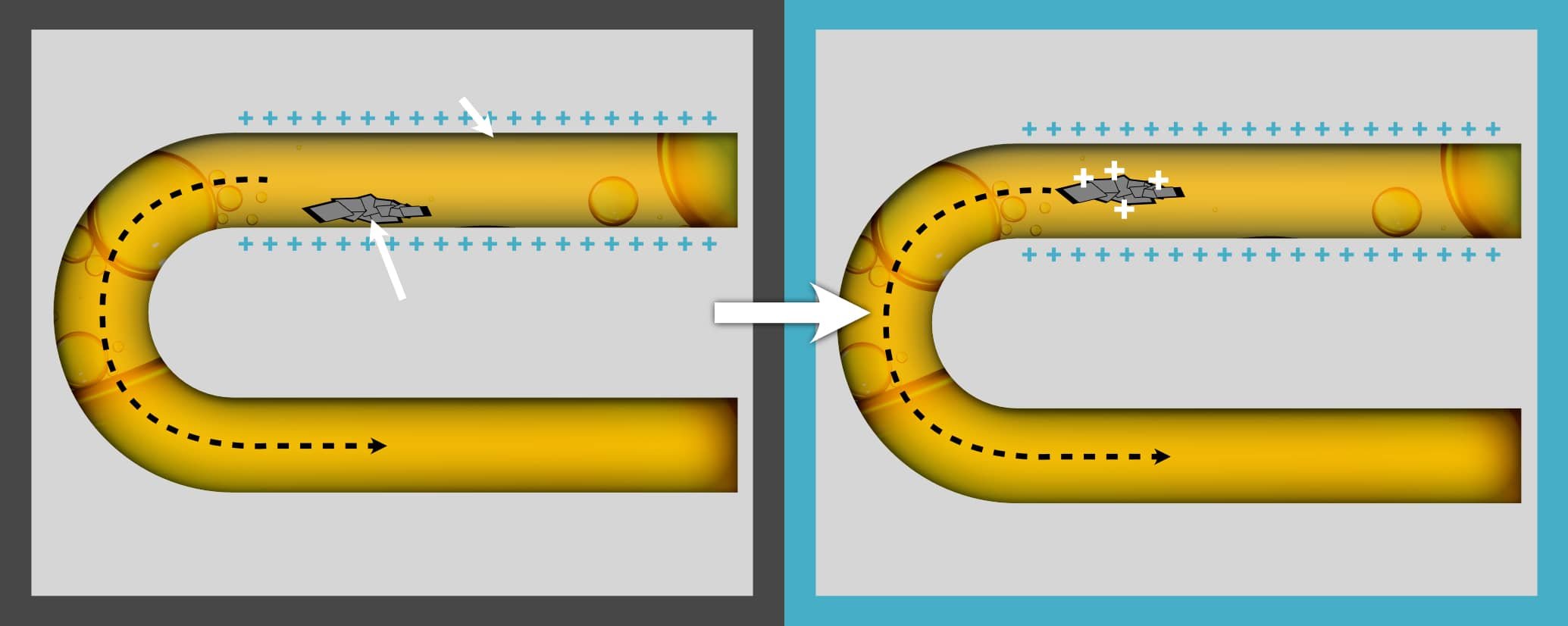
Our breakthrough approach utilises controlled ionisation of lubricated surfaces combined with polarisation coating mechanisms to create ultra-thin protective barriers that eliminate traditional lubrication limitations
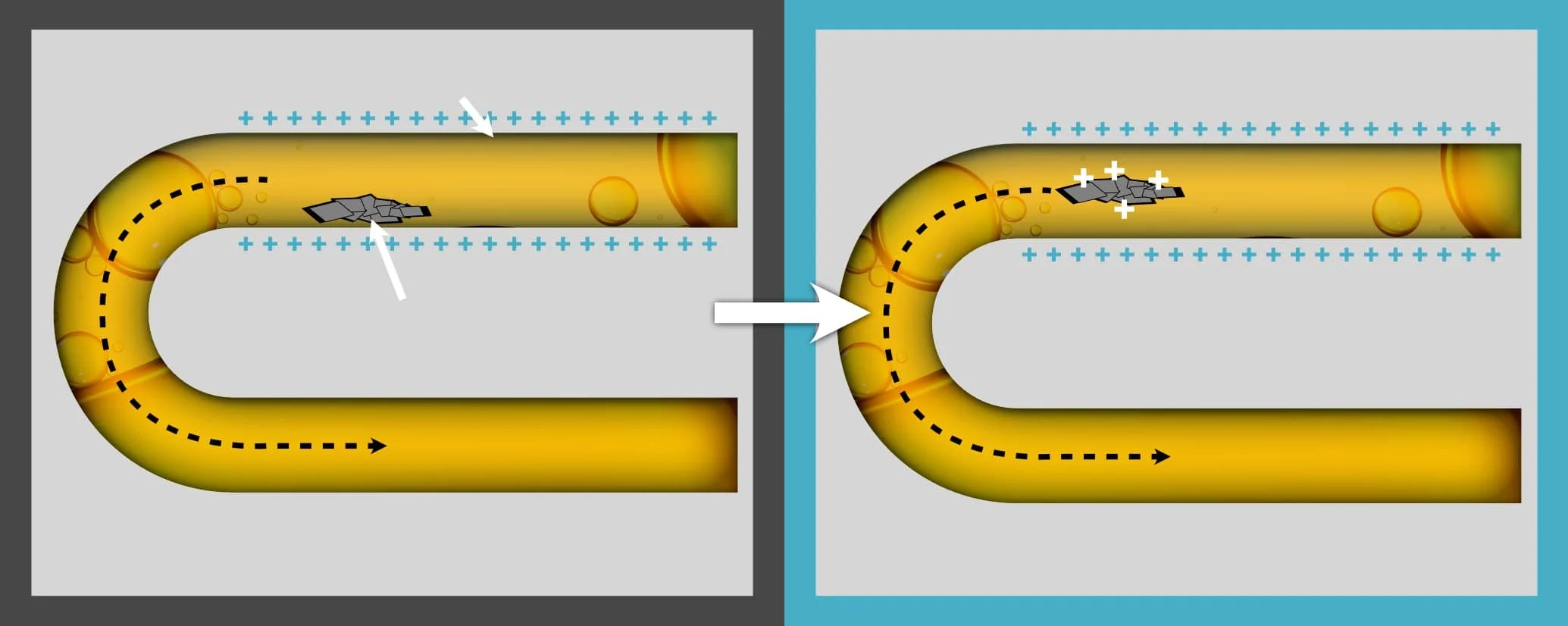
Surface Ionisation Activation

Polarisation Coating Formation

Protective Film Stabilisation

Quantified Performance Characteristics

85%*
Friction Reduction

12%*
Energy Consumption Decrease

15x*
Component Life Extension

25%*
Heat Dissipation Improvement
Proven Benefits

Reduces Friction Resistance
Significantly decreases mechanical friction, improving system efficiency and performance.

Decreases Energy Consumption
Lower friction translates to reduced energy requirements and operational costs.

Increases Component Service Life
Extended component lifespan reduces maintenance frequency and replacement costs.

Prevents Corrosion
Advanced protective barriers prevent oxidation and corrosion damage.

Improves Heat Dissipation
Enhanced thermal conductivity helps maintain optimal operating temperatures.

Prevents Deposit Formation
Keeps systems clean by preventing harmful deposit and sludge buildup.

Technical Specifications & Laboratory Results
Comprehensive testing data from Oil and Gas Institute and independent laboratory validation

Operational Temperature Range
-40°C to +50°C
(-40°F to +122°F)
Full performance across extreme temperature conditions with maintained molecular stability

Film Characteristics
Ultra-thin
Molecular Layer
Maintains standard oil film thickness while providing superior protection through molecular-level bonding

Kinematic Viscosity
Unchanged
ISO 3104 Tested
No alteration to base oil kinematic viscosity - verified through standardised testing procedures

Friction Reduction
99.9%
Micro-irregularity
Surface micro-irregularity smoothing verified through dynamometer testing and fleet validation

Anti-Corrosive Properties
Enhanced
Film Formation
Proven anti-corrosive film formation preventing oxidation and deposit accumulation

Heat Dissipation
Improved
Thermal Management
Enhanced thermal conductivity through optimized molecular structure and surface interaction
Official Test Documentation
Kinematic Viscosity Test
Valid until: 9.01.2025
Dynamometer Tests - Fiat Ducato 2.3
Performance analysis under load conditions
Dynamometer Tests - Toyota Yaris 1.3
Comparative performance measurements

Industrial Applications
Our technology is effective across multiple industries and mechanical systems:
Gearboxes, transmissions, and hydraulic systems
General Mechanical Systems
Automotive Applications
Engine oils, transmission fluids, and differential lubricants
Industrial Equipment
Manufacturing machinery, compressors, and heavy equipment
Fuel System Enhancement
Fuel additives and injector cleaning solutions

Experience Advanced Technology
Discover how MG Red Shift advanced oil additives can transform your mechanical systems